Yes. There's no rule stopping an MSME from registering on more than one RBI-approved TReDS platform. Many businesses do this to widen their financier pool and buyer coverage.

TReDS Platform India: How MSMEs Get Paid Faster
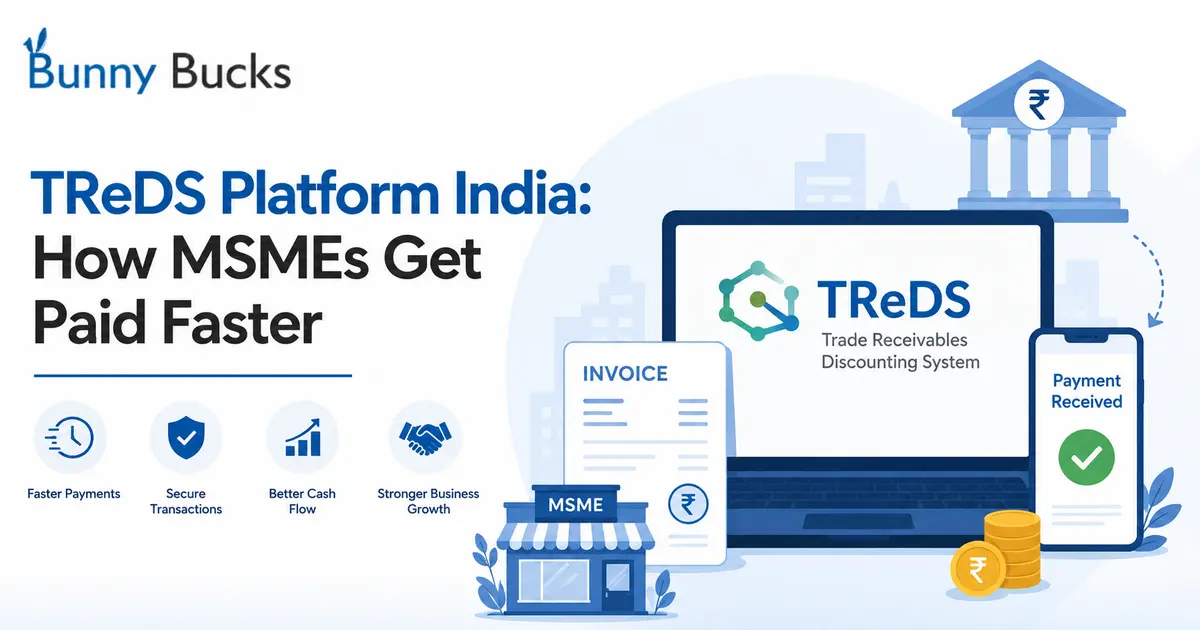
TReDS Platform India: How MSMEs Get Paid Faster
A TReDS Platform in India is an RBI-regulated online marketplace where MSMEs sell their unpaid invoices to banks and financiers, who bid to pay them early at a discount. No collateral. No new debt on the books. Just cash, usually within 24 to 72 hours of a buyer confirming the invoice.
If you run a small business in India and you've ever waited 60, 90, or 120 days for a client to pay you — while your own bills didn't wait for anyone — this is built for exactly that problem.
Let's break down what it actually is, how it works, whether it's safe, and which platforms are worth your time.
What Is Trade Receivables Discounting System (TReDS)?
TReDS is an electronic platform for online discounting of bills of MSMEs. Think of it as an auction house, but instead of art or antiques, banks and NBFCs are bidding on your unpaid invoices.
Here's the plain-English version:
- You (an MSME) deliver goods or services to a corporate buyer.
- You raise an invoice.
- The buyer confirms it on the platform.
- Financiers compete to pay you early — at a discount.
- You pick the best rate. Money hits your account.
- On the due date, the financier collects the full invoice amount from your buyer, not from you.
How Does TReDS Work? (Step-by-Step)
No paperwork chasing. No relationship banking favors. Just a straight auction based on your buyer's creditworthiness.
-
Step 1: Registration
MSME, corporate buyer, and financier all register on a TReDS platform. -
Step 2: Invoice Upload
The MSME uploads the invoice details (or the buyer does, depending on the platform). -
Step 3: Buyer Acceptance
The buyer digitally approves the invoice, creating a factoring unit. -
Step 4: Auction
Banks and NBFCs bid on the factoring unit, competing to offer the lowest discount rate. -
Step 5: Payout
The MSME accepts the best bid and receives funds, usually well before the invoice's original due date. -
Step 6: Settlement
On the due date, the buyer pays the financier directly.
List of RBI-Approved TReDS Platforms in India
This is the part where you need to be careful. Only RBI-licensed platforms can legally operate TReDS Platform in India. Anything outside this list is not TReDS, even if it uses similar language.
| Platform | Operator | Known For |
|---|---|---|
| Invoicemart | A.TReDS Limited | One of the first three licensed platforms; large buyer network |
| M1xchange | Mynd Solutions | Strong MSME onboarding, wide financier base |
| RXIL | Receivables Exchange of India Ltd | Backed by SIDBI and NSE; one of the earliest movers |
| DTX | KredX | Fifth platform to get RBI approval; tech-forward interface |
Invoicemart operates as an RBI approved TReDS platform in India and remains one of the go-to choices for MSMEs looking for a straightforward onboarding process and a deep buyer base.
A quick sanity check before you sign up with any platform: search for it on the Reserve Bank of India website's list of authorised payment system operators. If it's not there, walk away.
Is TReDS a Safe Platform to Use?
Short answer: yes, if you stick to RBI-authorized platforms.
Here's why it's structurally safer than a lot of alternative financing options:
- RBI-regulated. Every operator needs RBI authorization under the Payment and Settlement Systems Act. That's not a rubber stamp; it comes with net worth requirements, audits, and compliance checks.
- No recourse to the seller. Once your invoice is discounted, you're not liable if the buyer defaults later.
- No collateral risk. You're not pledging your shop, your machinery, or your house to get funded.
- Transparent pricing. Because financiers bid competitively, you generally see market-driven rates instead of a single lender dictating terms.
The one thing to watch: your buyer needs to actually confirm the invoice for it to become fundable. If your buyer relationship is shaky or they're slow to approve on the platform, that's a bottleneck TReDS can't fix on its own.
How to Choose the Right TReDS Platform for Your Business
Not every platform fits every business the same way. Here's what to actually compare.
1. Buyer Network Overlap
Check if your major corporate buyers are already registered on the platform. If they're not, you'll need to get them onboarded first, which takes time.
2. Financier Depth
More banks and NBFCs bidding means more competitive discount rates for you. A thin financier pool means fewer bids and worse pricing.
3. Onboarding Speed
Some platforms process MSME registration faster than others. Ask directly how long it typically takes from application to your first live invoice.
4. Fee Structure
Registration and transaction fees vary. Get this in writing before you commit.
5. Sector Fit
Some platforms lean toward manufacturing and trade, others toward services and exports. Ask if they have experience with businesses like yours.
Quick takeaway: Don't just pick the biggest name. Pick the platform where your actual buyers are already active bidders will show up.
Frequently Asked Questions About TReDS
-
Can I use multiple TReDS platforms?
-
How much does it cost to register on TReDS platforms?
Fees vary by platform and typically include a one-time registration charge plus transaction-based fees on discounted invoices. Rates aren't standardized across operators, so always confirm the current fee schedule directly with the platform before signing up.
-
Which businesses can use TReDS?
TReDS is built specifically for Micro, Small, and Medium Enterprises (MSMEs) that supply goods or services to corporate buyers, government departments, or public sector undertakings. Large corporates use the platform as buyers, not as sellers seeking discounting.
-
Is there a credit check?
There's no traditional collateral-based credit check on the seller. Instead, financiers assess the creditworthiness of the buyer, since repayment ultimately comes from them. Your buyer's credit profile matters more than yours here.
-
Is TReDS mandatory for buyers?
Certain large buyers, including specified categories of companies and central public sector enterprises, are required by regulation to onboard onto TReDS platforms for their MSME payments. Not every buyer is covered, so check current applicability rules for your buyer type.
-
Can exporters use TReDS?
Domestic TReDS is designed primarily for invoices between MSME sellers and Indian corporate buyers. Export-specific receivables generally fall under separate trade finance and export factoring mechanisms, so check with your platform on cross-border eligibility.
-
What are the credit checks based on?
Financiers evaluate the buyer's payment history, credit rating, and overall financial standing before bidding on an invoice. This is what determines your discount rate — a stronger buyer typically means a better rate for you.